- Email helpdesk@brainsbuds.com
- Phone +92 306 3453603

Intellect International Montessori School nurtures young minds with a Montessori-based approach, fostering creativity, independence, and lifelong learning.
Monday to Friday: 7.45am – 1.00pm
Saturday, Sunday: Close
Email: helpdesk@brainsbuds.com
Phone: +92 306 3453603
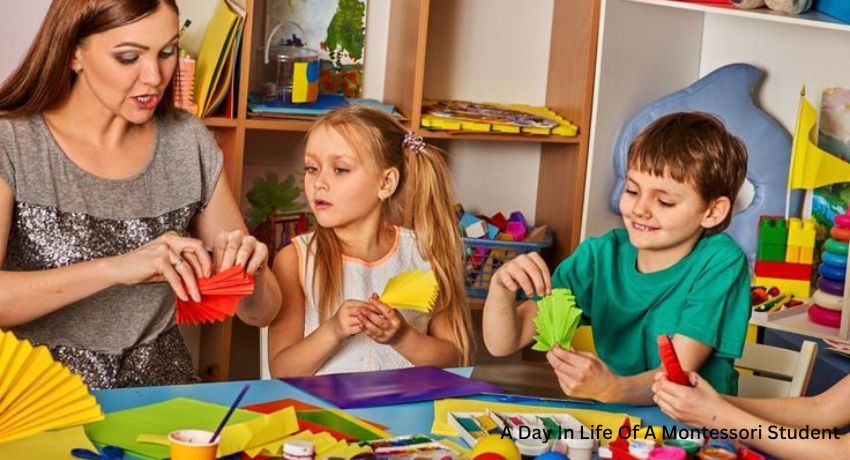
Hello there! At Intellect International Montessori School, each child has their unique way of learning. This is why we are using the Montessori approach, invented by Dr. Maria Montessori, which is based on practical knowledge, personal attention, and learning through playing. Are you looking for a school where your child can develop self-confidence, think critically, and learn something new every day? Our nurturing atmosphere not only emphasizes academic growth but also fosters social and emotional development. Visit us to find out how your child can succeed with us!
So how about taking a look!
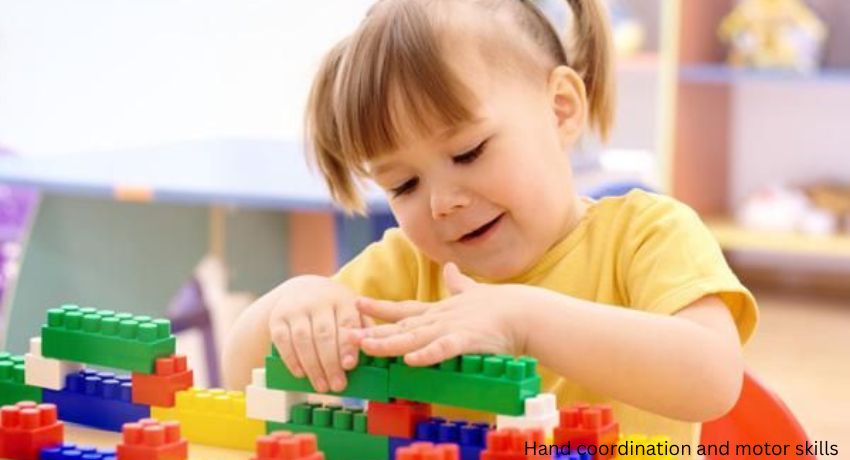
Motor skills and coordination between the hands and eyes are critical in child development. Our Montessori activities are designed to help children develop these skills through real-life activities, such as pouring, sorting, and moving objects. In addition to enhancing hand-eye coordination, these exercises also strengthen and improve concentration, dexterity, and fine motor skills.
Our Montessori materials are specifically designed to promote learning and development. Children may learn through making mistakes as these resources are often interactive and correct themselves. And these are some of our Montessori materials:
Math number rods and counting beads; tactile sandpaper letters and numbers; and senses such as color tablets and texture boxes
Our Montessori classroom is filled with learning and action every day of the week. Children participate in various activities that foster their cognitive, social, and emotional development, both individually and in groups. A typical day would go as follows:
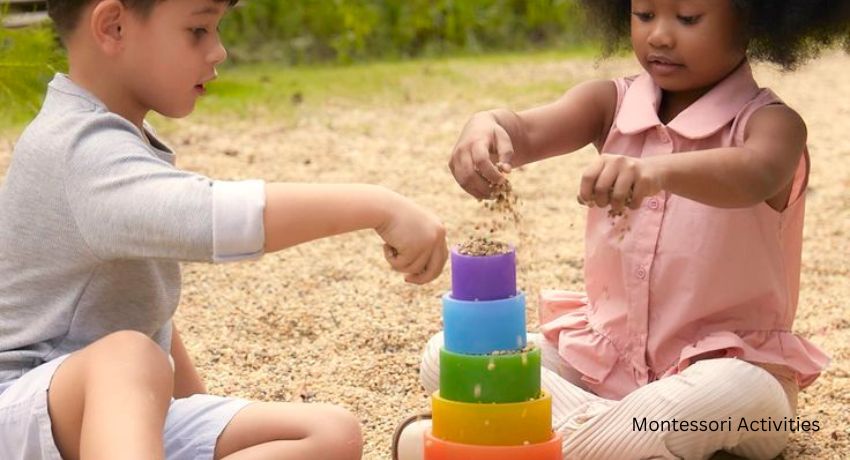
We have Montessori exercises that aim to promote learning and development in several areas, including the following:
The caring atmosphere we provide at Intellect International Montessori School supports the cognitive, social, and emotional development of children. We have trained teachers and personnel who will give each child individual attention and guidance, including:
We also offer training and seminars to parents and teachers who need to know more about Montessori education or who are interested in making a career as teaching professionals.
Our Montessori materials are specifically developed to promote learning and development. In our materials, we have, e.g.:
Our Montessori curriculum includes the Daily Practical Life (EPL) exercises, which are an essential part of the curriculum. These activities enable children to develop independence, self-confidence, and valuable skills. EPL activities consist of such things as:
Our Montessori sensory activities enable children to learn how to distinguish between various textures, colors, sounds, and scents. Examples of sensorial activities are, e.g.:
Our Montessori program is designed to promote learning and development in various areas, including arithmetic, language, practical life, and sensory skills. The syllabus is often adjusted to meet the needs and interests of the child, allowing them to learn at their own pace.
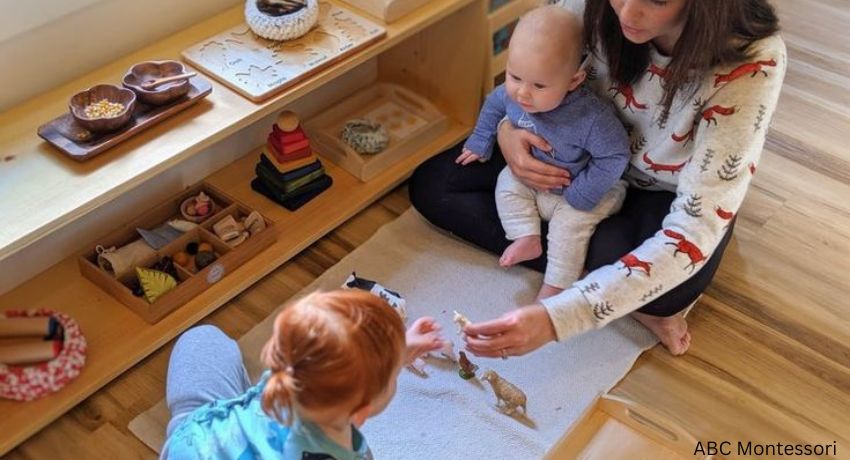
The ABC Montessori, which is based on the basic principles of Montessori education, emphasizes:
We have these concepts in our Montessori activities and materials, which support the learning and development of children.
The vision of Intellect International Montessori School is to provide children with a nurturing environment that fosters their social, emotional, and cognitive development. Our Montessori school offers a unique learning experience and development, emphasizing hands-on learning, differentiated instruction, and collaborative play.
Come on board – and see your child bloom!
1. What is the chief aim of the Montessori education?
The primary goals of Montessori education are to develop a child and nurture their innate desire to learn, becoming self-reliant, self-motivated, and self-disciplined. Montessori education aims to create a child intellectually, socially, emotionally, and physically.
2. What are the contrasts between regular and Montessori schooling?
Montessori education differs from regular education in several ways. In child-focused Montessori classrooms, children learn at their own pace and choose activities that align with their interests. Montessori teachers serve as guides or facilitators, rather than lecturers. It focuses on personalized training, real-life skills, and experiential learning.
3. What is the role of the instructor in a Montessori classroom?
The instructor in a Montessori classroom serves as a guide or facilitator, rather than a lecturer. The teacher should prepare the classroom, describe the materials, and provide individual assistance and guidance to each student. The teacher monitors each child’s progress and provides support and feedback as needed.
4. How does Montessori education bring out the best in children of different learning styles?
Montessori education unlocks the potential of children with different learning styles by providing direct, multisensory tasks that meet the needs of visual, auditory, and kinesthetic learners. It enables students to study at their own pace and in their style, which makes learning more personal, motivating, and successful.
5. Can Montessori teaching be adapted to children with special needs?
Montessori instruction can be adjusted to meet the specific needs of kids. Children with physical, emotional, or cognitive challenges can have their needs addressed by modifying the ideas and techniques of Montessori education. Today, many Montessori programs and schools offer specialized support and services to children with special needs, making the learning environment more friendly and supportive.
Get all the latest information, support and guidance about the cost of living with kindergarten.
Start Registration